Dashilan[r] (大栅栏)

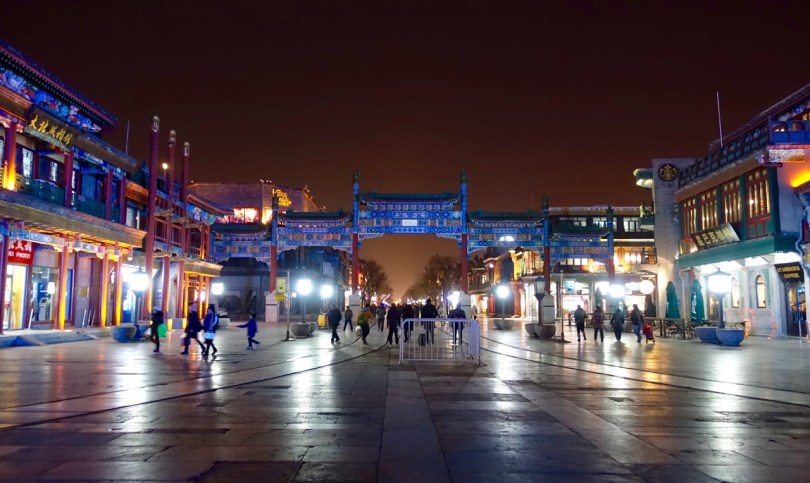
It seems a lot of my favorite sights in Beijing were seen in a jiffy and one of those was Dashilanr. (The local Beijing accent puts an “r” sound at the end of a lot of words, so thats’ where this strange Romanization comes from!) Named for the “big fence” aka 大栅栏 that was erected around it by merchants to protect the Ming dynasty capital, the only evidence left of this big fence is actually an iron gate that was put up in the year 2000.
DSC02655

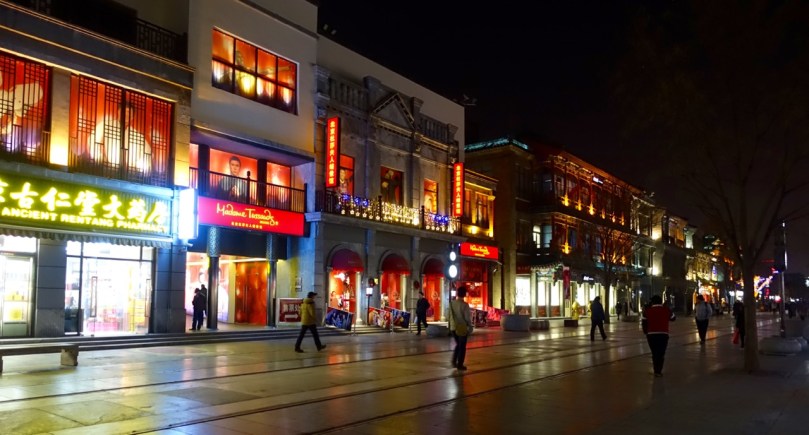
Dashilanr is best known as a historical street whose merchants clothed the imperial family and, later, the founding members of the Communist Party. A few of these businesses are still there today, selling their wares that have long been associated with status and wealth because they were literally the products that the emperor would wear. Some that my aunt pointed out to me while we were walking (full of KFC):

  • 马聚元 Majuyuan – cover your head like a king, hats on hats on hats
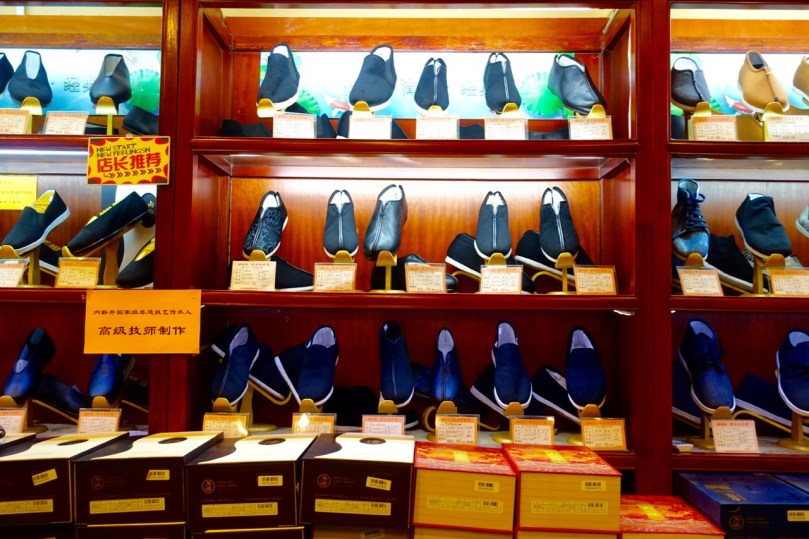
  • 内联升 Neiliansheng – traditional-style Chinese shoes in traditional and modern styles, Chairman Mao and the emperors had their shoes made here
  • 瑞蚨祥 Ruifuxiang – silk shop for when you want to get custom pieces and qipaos made

These are known as laozihao 老字號, which are ooooold, well-established Chinese businesses that came about when China moved the capital to Beijing during the Ming dynasty. These are household names that have been serving food and wares to China since way before the birth of America, constantly reminding me that the United States is very young compared to the over 400-year-old Peking duck shop and pickle shop. (Seriously! Look up 六必居.)

DSC02653
Candied skewered haw (tanghulu  糖葫芦) is a popular and iconic snack in Beijing, as seen by this statue of a vendor and a child (I’m not the biggest fan, though, as I find the sugar brings out how tart the haw fruit is! It’s also not a great winter snack, but it is very iconic and is sold year-round.)

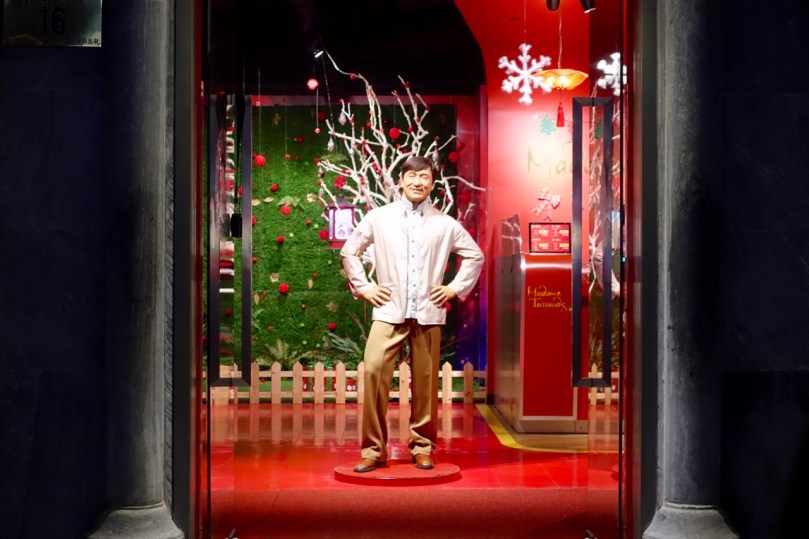
The thing about China is that it is one of the 4 ancient civilizations but also one of the largest powers in the modern world. So after you walk past Neiliansheng and get yourself fitted for a traditional pair of shoes not unlike those worn a hundred years ago (maybe customized with some Mickey Mouse designs), you can walk across the way to Madame Tussaud’s to say hi to Jackie Chan. I’ve never been particularly interested in wax museums, but I do think it’d be interesting to see what public figures are immortalized in wax at this location!
DSC02658
Some shoes at Neiliansheng
DSC02669.jpg
Hi Jackie! (Did you guys watch and cry at the video of him being reunited with his original stunt crew, by the way? I was a blubbering mess.)

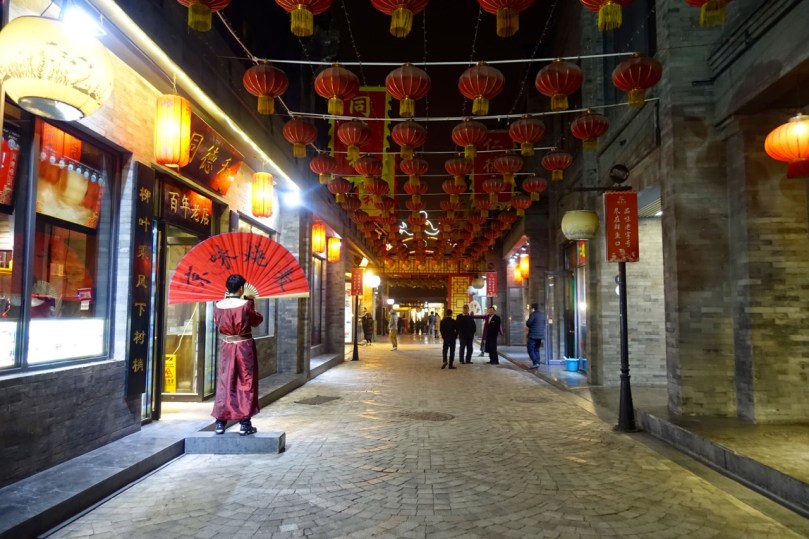
If you walk a little further down, you can also shop at H&M and Zara. (I learned via Beijing prices that Zara actually is fast fashion, it’s just sold at a markup in the United States? I never quite understood why people compared it to H&M all the time… So basically, you can stock up here.)  There’s also side alleys that focus on traditional Beijing foods, and folks in costume will beckon to you with flags and giant fans to entice you to taste their food.

DSC02662DSC02663

DSC02666
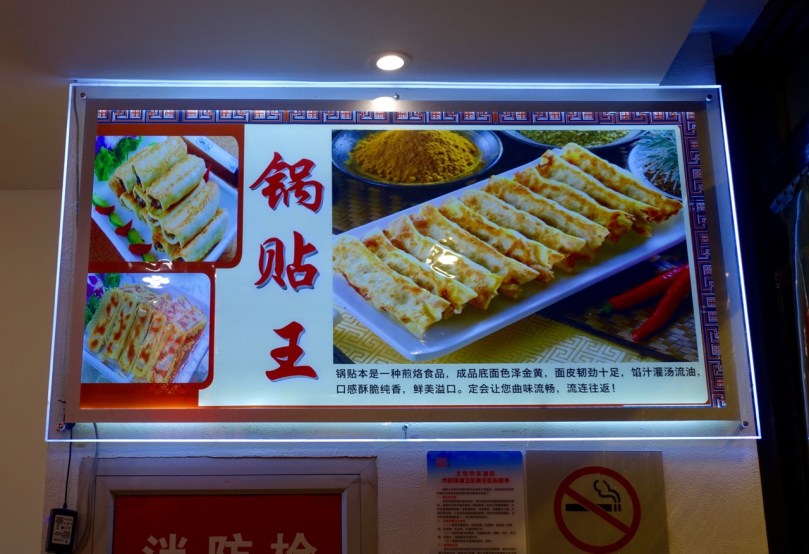
My aunts were big on me trying Beijing specialties, like these special potstickers that are unique to the area

This is definitely a must-visit if you’re interested in seeing the juxtaposition of Beijing’s culture and historical brands with the ones introduced by globalization. I’d love to come back when it’s warmer and during the day.

Fun fact: A little train can transport you from the entrance to the back of the district, as it can be a very long walk, especially if you are traveling with elders or small children. I’m not 100% clear on the schedule, we only saw it go past once during the whole time we were there.


There are a lot of pedestrian-only shopping streets in China, and I love that this one is so rich with Beijing’s history. You can learn a lot about what the upper class has looked like over the past 600 years walking down this street, as you shop where the emperor did and then pop into a Zara and get Coco bubble tea.

What are your favorite places where old intersects with new? I love seeing this in China, although sometimes it happens at such a rapid pace that I get very concerned because this modernization does leave a lot of people behind. I remember my Europe trip had a lot of these visual intersections, with all-glass building fronts besides medieval stone structures, like in Tallinn and in London.
The Capital Museum

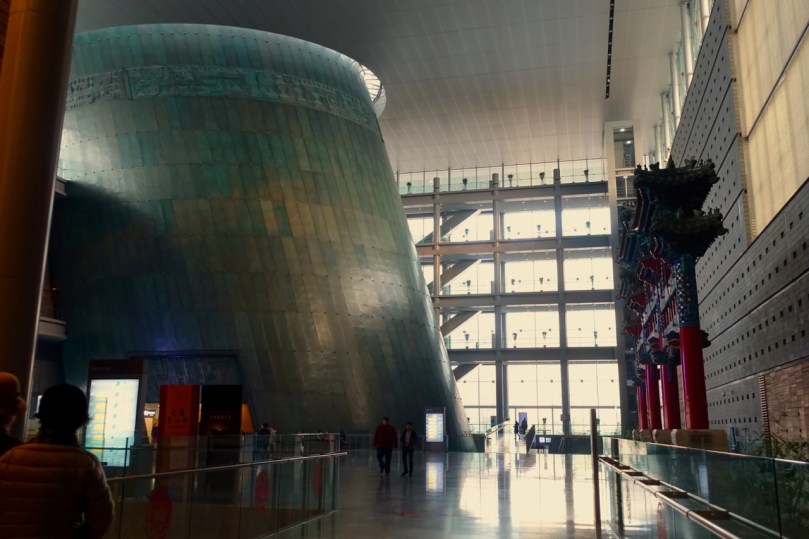
Part of the reason that my mom is now telling everyone how much I love museums is that I did get to visit 2 great museums while I was in Beijing: The National Museum of China and the Capital Museum. While the National Museum is dedicated to the entire history of China and its people, the Capital Museum focuses on Beijing, the capital city, and art.

And as I mentioned before, this is another free museum, so bring your passport and take advantage of the immense amount of art and culture that is available if you have a few hours.

Capital Museum (首都博物馆)

dsc02894

Again, I didn’t take many photos and had a limited amount of time in this museum, but I really enjoyed learning about specific cultural aspects of Beijing and, in turn, China while exploring the Capital Museum.

There was an exhibit on Peking opera that I found really fascinating, a super cool exhibit about Old Beijing and the hutong life that used to thrive in the capital, an exhibit on imperial culture from China’s seat of power, and so many galleries of sculpture, calligraphy, painting, jade, porcelain. Did you know that the Chinese had a system of producing furniture so as to not use a single nail to keep the pieces together?

dsc02889
I loved the snapshot in time here with the double happiness candles and this antique camera
dsc02890
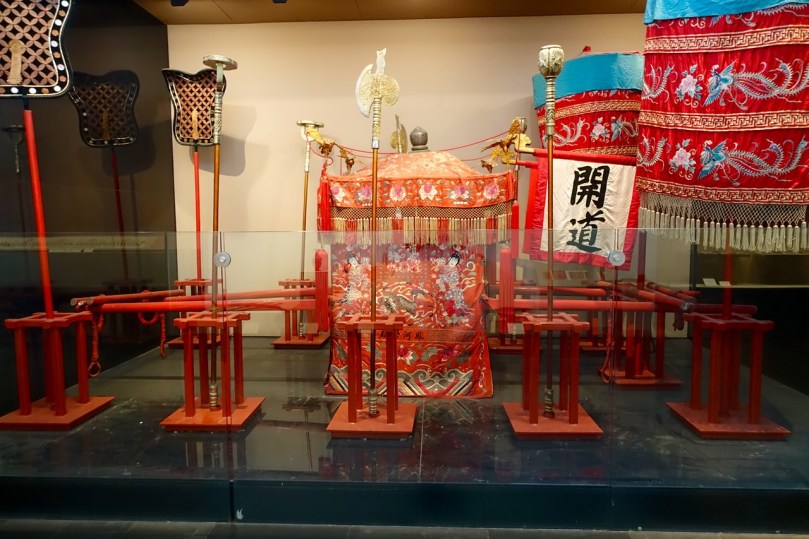
A marriage sedan that I photographed because I was unsure of how long I needed to spend in the “Beijing wedding customs” section of the museum while friends back home kept getting engaged

There was also a temporary exhibit I saw about Tibetan yaks and how important they were to the people of Tibet. My aunts were really excited to see this, as I think the exhibit left shortly after I did, and it’s not something that many people are able to see up close but folks know a bit about it. The size of the skulls and horns that were on display were unreal when you thought about just the sheer size of these beasts and how much a people’s livelihood depended on them.

dsc02891
An example of a yurt
dsc02892
Piles of (fake) yak dung patties that act as fuel

This museum had fewer English placards than the other one, and fewer Chinese ones than I would have expected, but there was a lot of history and art and culture jam-packed into the Capital Museum, and I do recommend a visit if you’d like to learn a bit more about the history and culture and art of Beijing when you visit!

Admission: FREE – citizens need their ID and non-nationals need to bring a passport

Capital Museum


http://en.capitalmuseum.org.cn


What are some aspects of Beijing-specific culture that you’re familiar with? I know a little bit about Peking opera and visited a hutong the last time I was in Beijing but it was cool to learn just a little bit more! I was on the lookout for a big food exhibit but alas, no such luck during my visit!

What other museums in Beijing do you think are worth visiting?

The National Museum of China

Somehow, my mom started telling folks in China that I came to Beijing wanting to just seem the museums!!! Even though I didn’t know about any museums that weren’t the Forbidden City, really. However, as a person who reads every word on every placard in any museum, gallery, aquarium, zoo, what have you, I did really enjoy visiting 2 amazing and free (!!!) museums in Beijing with my aunts. Because I was maybe the only person interested in the exhibits, we didn’t spend an awful lot of time in either museum, so I’ll have to go back someday soon and see the rest! The first one I want to talk about is:

National Museum of China (中国国家博物馆)

dsc02596

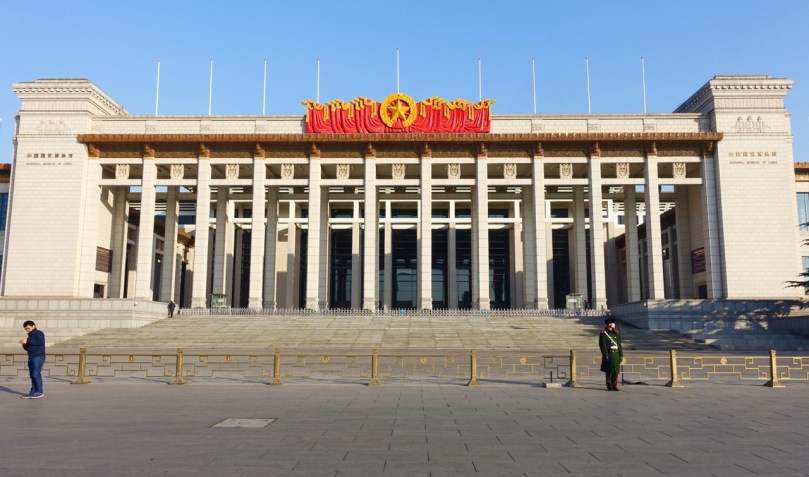
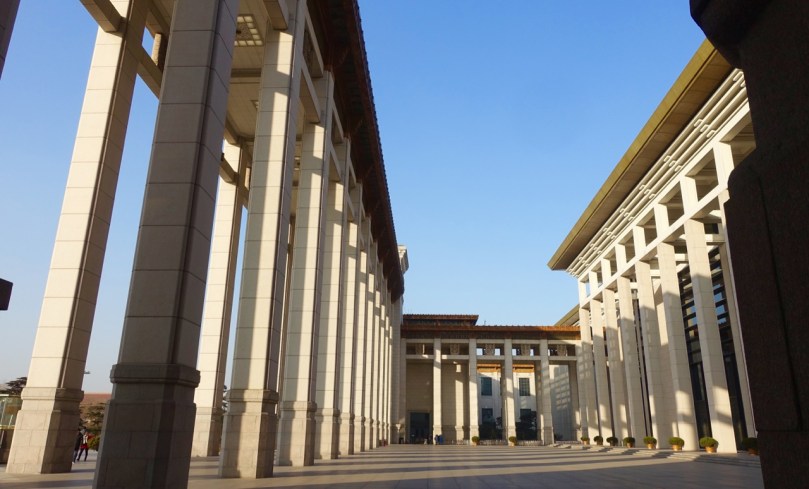
The National Museum (国家博物馆) is an easy stop if you will be visiting Tiananmen Square, as it’s directly across the street, and is a great stop to get an expansive look at China’s history.

dsc02595
View of Tiananmen from the museum
dsc02598
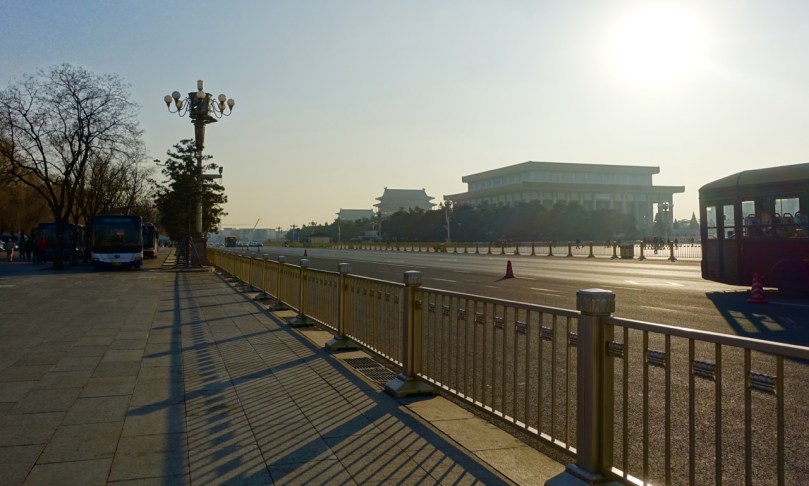
View of Mao Zedong’s mausoleum and other landmarks through the haze

dsc02600dsc02604

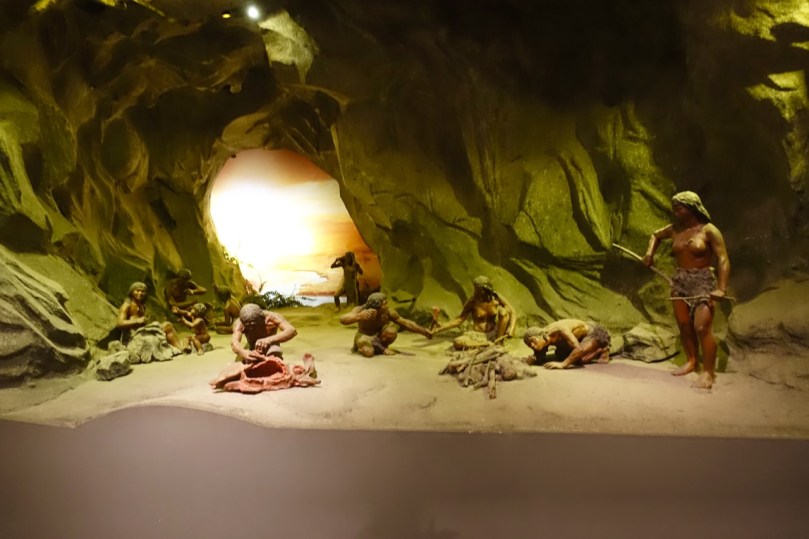
You can start with prehistoric times by looking at the oldest human fossils found in China and go all the way through to the Qing dynasty, the last dynasty before the Communist Revolution.
dsc02606dsc02605

dsc02603
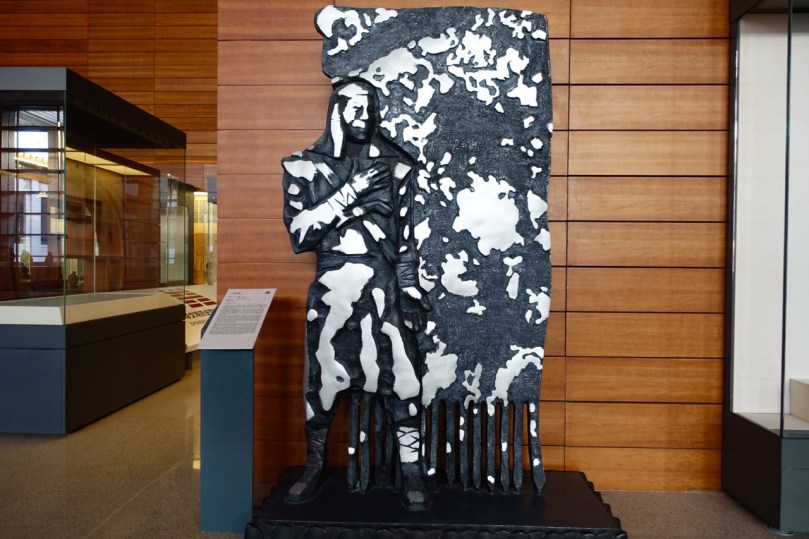
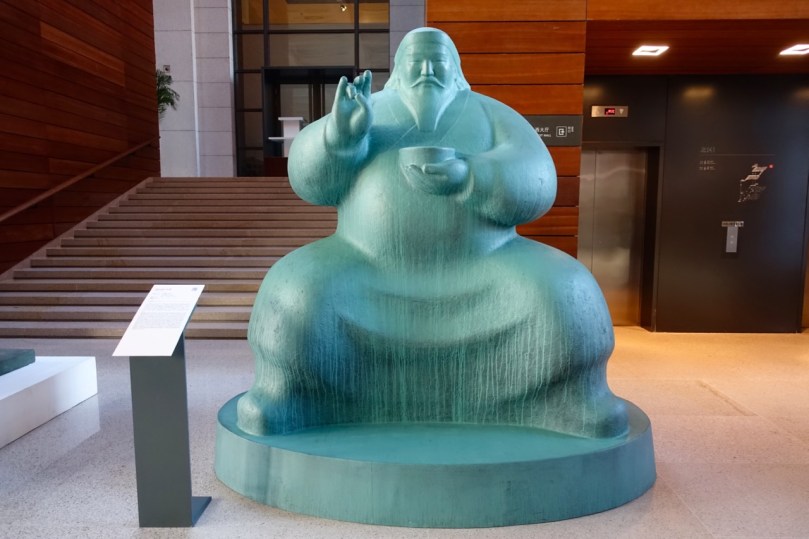
Statues of prominent members of the founding class of the Communist Party of China

While I was able to visit the Forbidden City and its accompanying museum, many imperial artifacts are actually kept here in the National Museum, such as the furniture and accoutrements of the various rooms that would otherwise be left exposed to tourists and the elements.

dsc02608
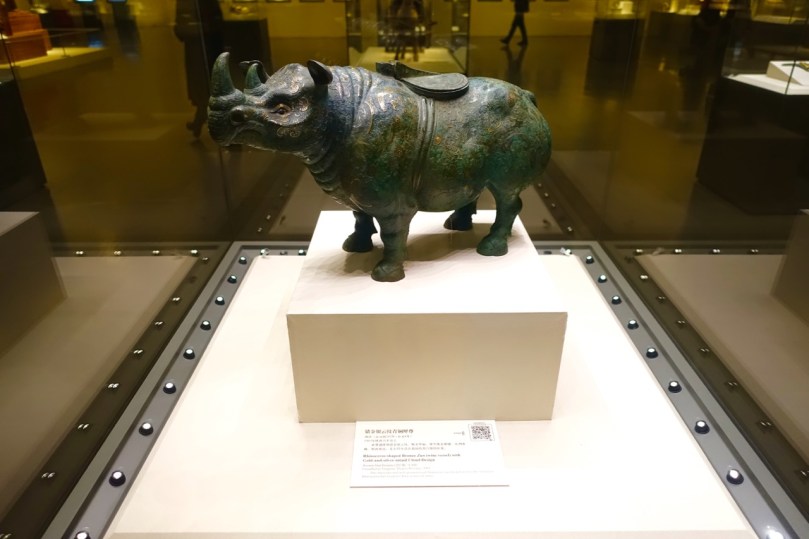
This is one of the most famous pieces in the entire museum is this Shang dynasty bronze zun with 4 sheep heads

dsc02613

dsc02621
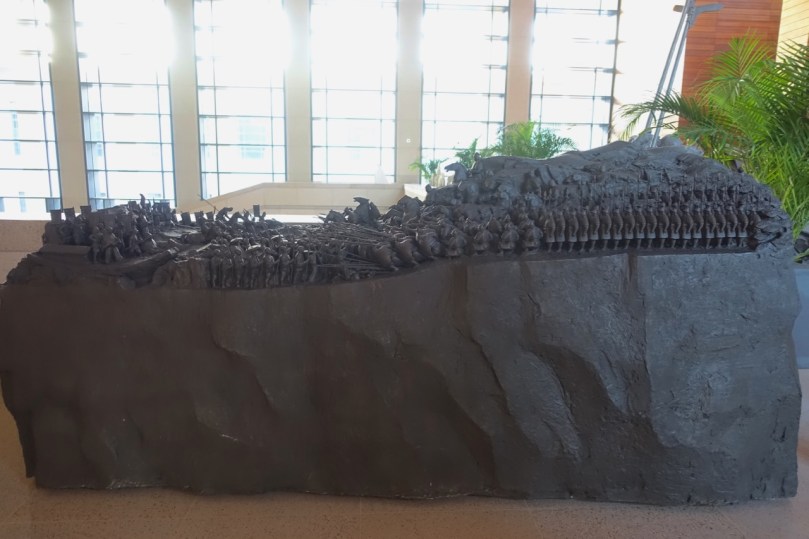
I loved this piece depicting a fierce battle between 2 armies
dsc02623
It was so raw and didn’t hold back with how epic and violent war can be
dsc02619
Another favorite was this depiction of the different tenets of traditional Chinese medicine, including acupuncture and weighing out herbal medicine ingredients the old way

dsc02611

dsc02610
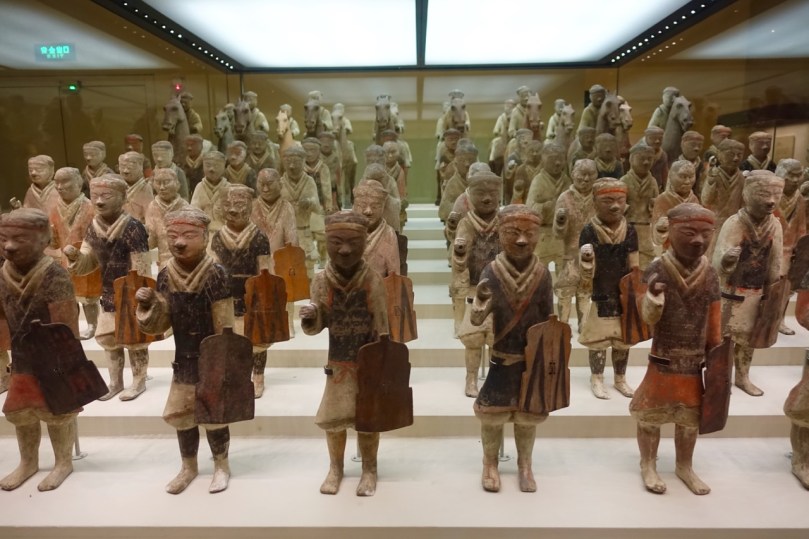
I’ve never seen the Terracotta Army but now I’ve seen 3 members of it

The museum is huge. We only had a few hours and did not get to see all the exhibits, including a waxwork exhibit of key figures in Chinese history. I’m glad we were able to stop by a section that was devoted to statues of important historical people. If you don’t know any important people from China’s history, go up to the top floor of the National Museum and learn about the people who are depicted in statue up there.

dsc02620
Xuanzang, the Buddhist monk whose pursuit of Sanskrit scriptures inspired the famous Chinese novel Journey to the West

dsc02616

dsc02625
Qinshihuang, the first Emperor of China, known for achievements like unifying China and commissioning the Great Wall of China and the Terracotta Army

dsc02624

During my visit, there was a collaboration exhibit with the museum and Qatar museums on pearls. They had a lot of stunning pearl work, from intricate pearl beading found in imperial costumes to items from Elizabeth Taylor’s personal collection. They also had really cool items like an oyster shell that trapped a fish beneath layers of mother-of-pearl.
dsc02630
Little fish trapped in mother-of-pearl. Beside this was an X-ray showing its bones
dsc02631
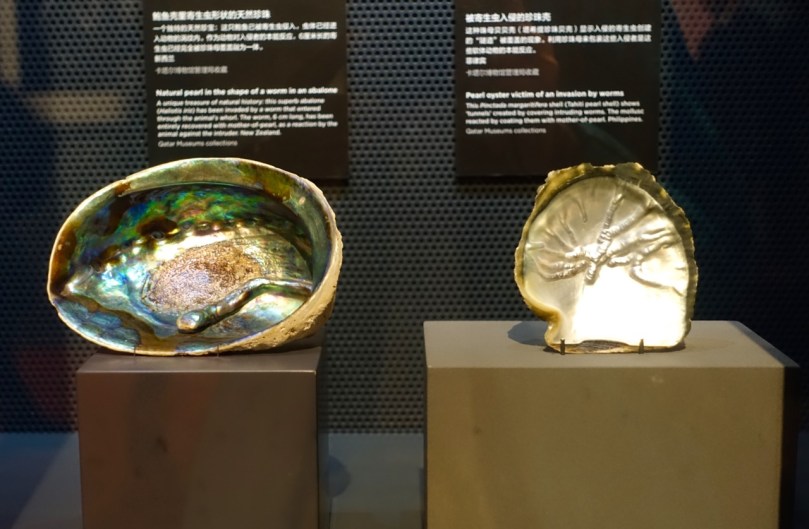
Other creatures have also been unfortunate enough to be trapped beneath an iridescent layer in a mollusk, like these worms
DSC02626.jpg
Salvador Dali’s Ruby Lips and Elizabeth Taylor’s pearl ring

I didn’t take many photos, contrary to how many you see here, because I was furiously reading signs and trying to take in as much information as I could. To think that there were entire wings of the museum that I didn’t get to see, while I was speedwalking through the ones I did get to browse, blows my mind.

I can’t wait to come back and explore the rest of the museum and their new exhibits!

National Museum of China

Admission: FREE – citizens need their ID and non-nationals need to bring a passport
Security: Do not bring large bags, as they will not be permitted. A thorough security check is required before entering the museum, so be prepared to have your bag scanned and to be patted down. Lighters are prohibited, as evidenced by the giant basket of ’em at the security checkpoint. Photos are permitted, as you can see, but not in all exhibits.


What is your favorite history museum? I don’t think I can choose a favorite history museum, since those are my favorites. And really, aren’t all museums history museums? I definitely love when they are free, though! Free access to history is something I really take for granted, as someone who is a hop, skip, and jump away from so many Smithsonian institutions.

How much would you say you know about Chinese history? I know… some. My dad bought me a documentary set that covered literally every era of Chinese history, from prehistoric times through all the dynasties and wars through to the Communist Revolution. A lot of information has since leaked out of my brain, but I try to refresh bits and pieces of it every now and then and this museum visit helped a lot!

The World’s Tallest + Longest Glass Bridge (Zhangjiajie)

About a year ago, I started seeing videos and articles on Facebook about how there was going to be a new tourist attraction built at Zhangjiajie, amidst the mountains that inspired the scenes of Pandora in Avatar. In August, the longest and tallest glass-bottomed bridge in the world opened to visitors. I definitely did not think this was something I’d ever do. I visited Zhangjiajie several years ago, and it was really beautiful but quite a strenuous hike. China has been building a lot of attractions for the sole purpose of attracting tourists, and I didn’t want to positively reinforce that cycle.
Yet there I was, putting little shoe covers on over my feet and looking at the to scale diorama of the bridge and the canyon below it.
dsc02740
Here’s my experience with the record-setting glass bridge in Zhangjiajie.
Planning ahead would be best when it comes to visiting this Facebook-famous attraction.
  • You can reserve tickets online a day in advance, and this is, I believe, the best deal you can get on the tickets. We got ours from a tour agency on the way up, and they sell tickets at the door at the highest mark-up.
  • While the mountains are always a little misty, and the pollution is difficult to escape, the view on the bridge is more impressive on a clear and sunny day. We got clouds, so maybe that’s why I didn’t feel as much vertigo.
  • If you have a large bag (larger than a purse), you will be asked to check it – for a fee – at the concierge at the front.
  • You cannot bring your large camera in and will have to check that as well.  You can, of course, bring in your phone. I had my little camera in my pocket and had no issues with bringing it onto the bridge, but there were zero folks with larger cameras like DSLRs out on the bridge; I was the only person using not my phone camera to take photos.
  • Food is also prohibited on the bridge.There are a lot of little stands that sell food, so leave yours behind as they don’t want to attract too many critters onto the glass!
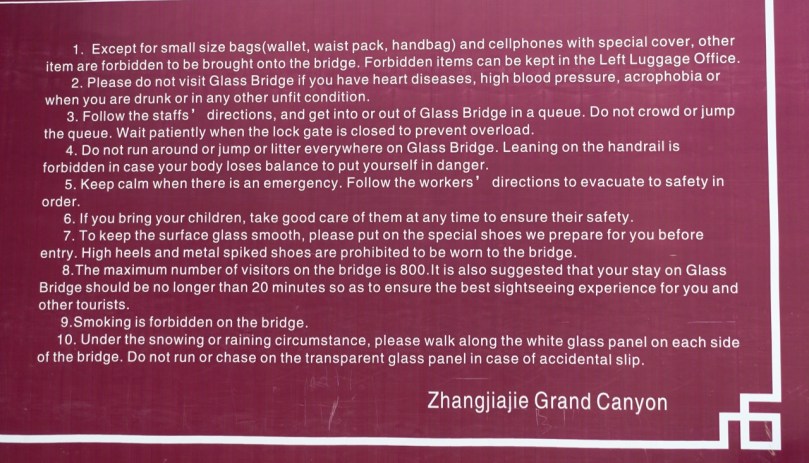
  • Don’t wear stilettos. You will not be allowed to wear them onto the bridge, as Force = Pressure / Area and the tiny area of your heel is very dangerous.
dsc02739
The English portion of the rules on the bridge
Once you arrive in the visitor center, you will receive a pair of shoe covers to keep the glass flooring dirt-free. They are mandatory, so don’t worry about getting that #shoefie or #selfeet (??) photo on the glass – you will be wearing those stylish covers on your feet. Just make sure you wear comfortable shoes if you choose to hike (more on the canyon hike below).
dsc02760
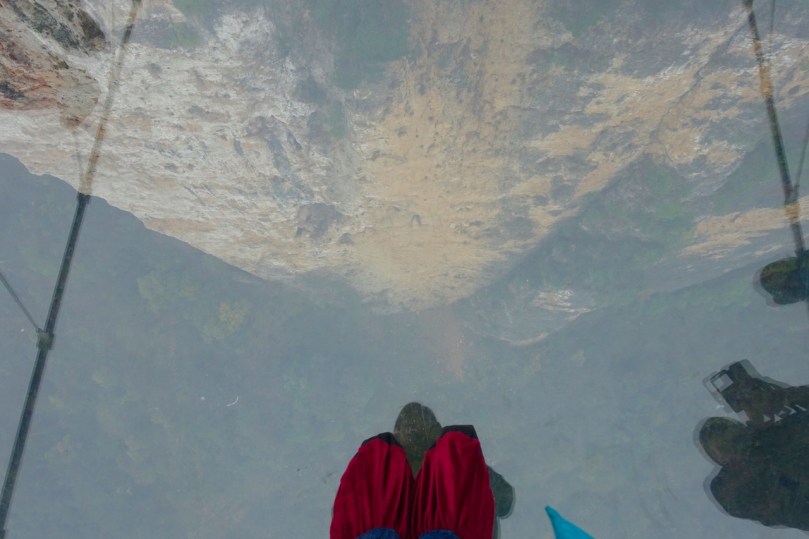
Mine were a wine red but I’ve seen a lot of different colors online! And yeah, that’s a pretty steep drop…
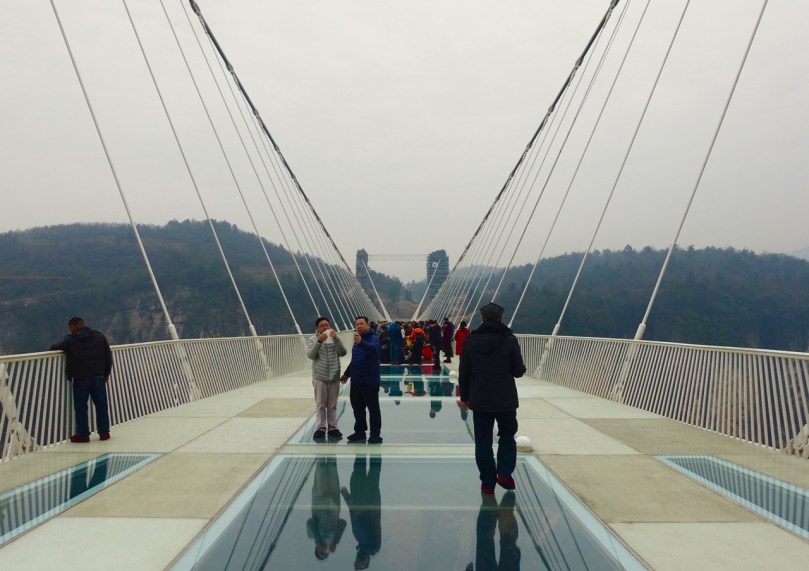
The glass bridge in Zhangjiajie spans the Grand Canyon, not to be confused with the famous canyon of the same name in Arizona. It measures ‎430 meters (1410 feet) long, ‎6 meters (20 feet) wide, and ‎300 meters (984 feet) high, making it the world’s longest and tallest glass-bottomed bridge in the world as of now.
DSC02743 (1).jpg
In the front is the pane of shattered glass, upon which several tons are resting to demonstrate the structural integrity of the bridge and each pane that makes it

Stepping out on the bridge, you get the briefest sense of vertigo. I think that because we came on a rather overcast day, it wasn’t as bad because you didn’t have as clear of a view of the bottom of the canyon. The glass starts on the cliff, so you aren’t immediately stepping over a 1000-foot drop. Rather, you start on the rocks of the cliff, right beneath your feet, walk on some treetops, and then before you know it, the glass is only separating you from the earth and water hundreds of meters away.

dsc02753

There is a limit as to how many people are allowed on the bridge at any given time, and most of them congregate near the beginning of the bridge. Construction is not yet complete on the other side, so as of now, the front is the entrance and the exit; there is no through traffic on the bridge just yet.

dsc02746

At some point, they are planning on setting up the bridge for ziplining and bungee jumping, which I think is insane but whatever gets people’s blood pumping! If you’re looking for a quieter kind of thrill, I think the views here are pretty dang good.

dsc02747
With or without pollution, there is always a mystical mist drifting through the mountains in Zhangjiajie…

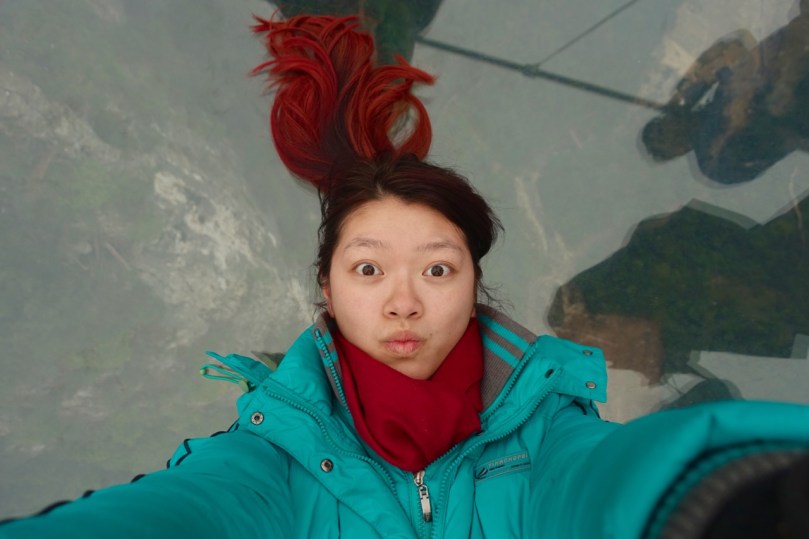
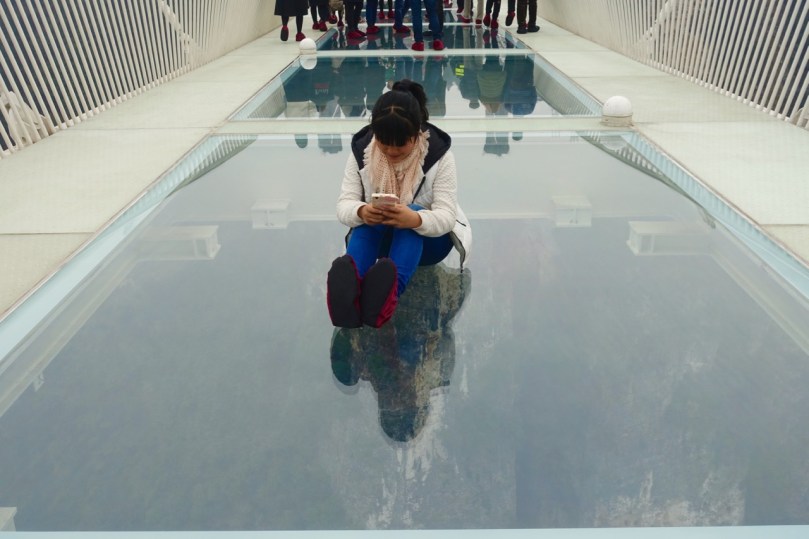
You’ll notice a lot of folks laying on the ground for their photos (like the selfie that was requested of me above) and trying to capture the drop below the glass. If you really want that to be clear, go on a clear day. The overcast day makes for moodier photos where you can only clearly see the drop below you in your shadow, as the reflection of the cloudy sky is very bright in the glass.

dsc02758
Here’s a shot of our teen tour guide, and you can see that her shadow shows the cliffs behind her most clearly

This was a lot of fun to visit in person, and so soon after I saw viral videos about this attraction online! I do wish we had sunnier weather, but with how bad the pollution has been in China, sunny clear skies are becoming increasingly rare.

Is it worth a visit? Maybe, once. It is super hyped in those videos, but honestly, the scariest thing was the dude stomping and galloping on the panes, causing the entire bridge the wobble. (Can you keep a secret? I would have only been a little distressed if someone pushed him off the bridge…) Also the hike through the Grand Canyon was terrifying but I’ll talk about that in the next one!


Would you visit this bridge? I would definitely recommend visiting Zhangjiajie in general, as it’s a gorgeous UNESCO World Heritage site with breath-taking views and mountains.
Have you ever walked on glass-bottomed bridges before?
I don’t know of any other ones, and this one just became very famous!

Oh Hi Ohio!

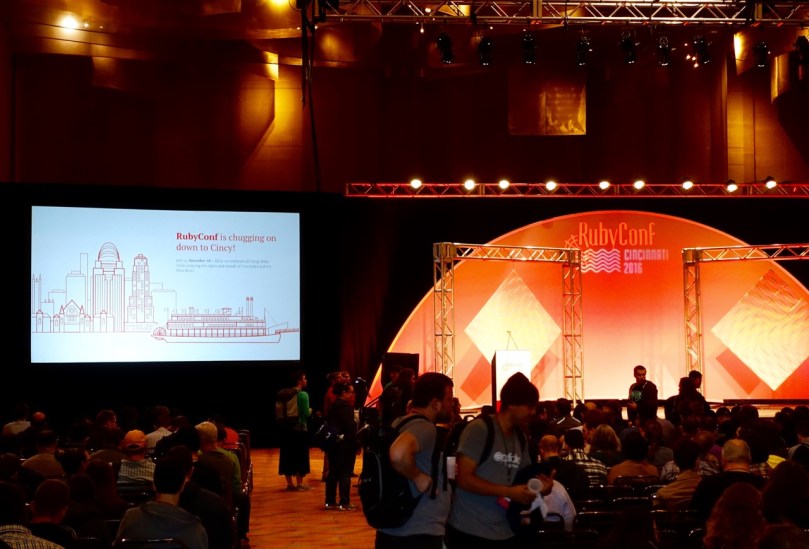
About a year ago, I started a coding bootcamp. Last week, I went RubyConf, an annual conference for users of the programming language Ruby. I applied to attend as a RubyConf Scholar, which is a program set up to pair first-time conference attendees with Guides who will mentor them and get the most out of their conference experience.

RubyConf 2016 was held in Cincinatti, Ohio. I have never been to Ohio before, and I was a little nervous because I didn’t really know what to expect…

Well, I had an incredibly lovely time!

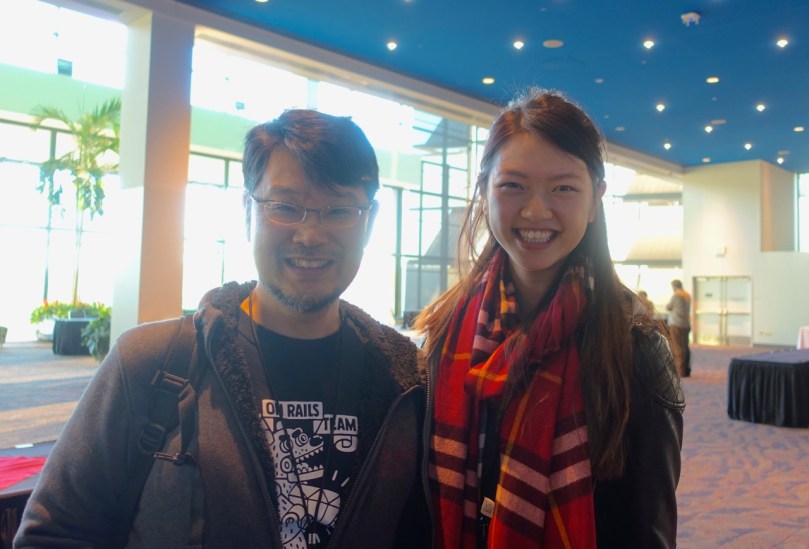
The conference itself was great. I made a lot of great Ruby friends and heard some really amazing presentations about the language and about being a programmer and developer. Since I’m new to the field, it really does help to hear about people’s experiences with being new and becoming better.

dsc02284

dsc02338
The founder of the Ruby language, Yukihiro Matsumoto, aka Matz!

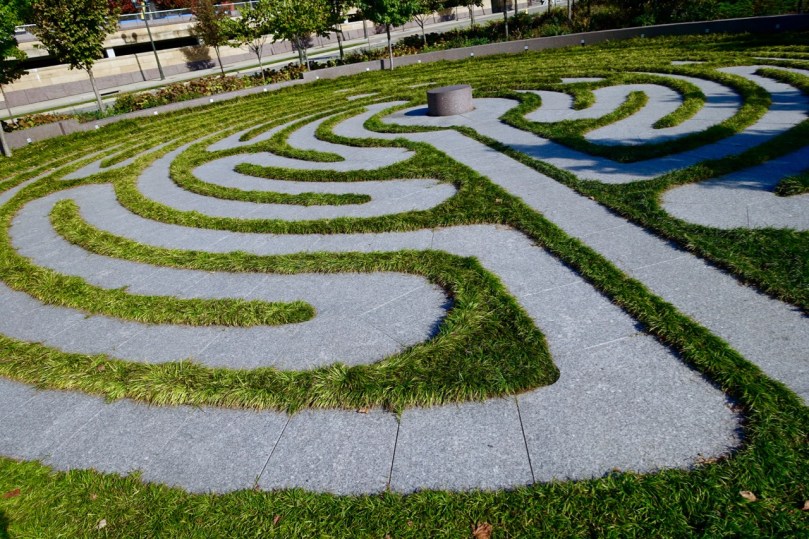
Can I also just talk about Cincinnati? I’ll be honest: I was not expecting much from this city.

But wow, the city is pretty.

dsc02365dsc02312dsc02324

dsc02366

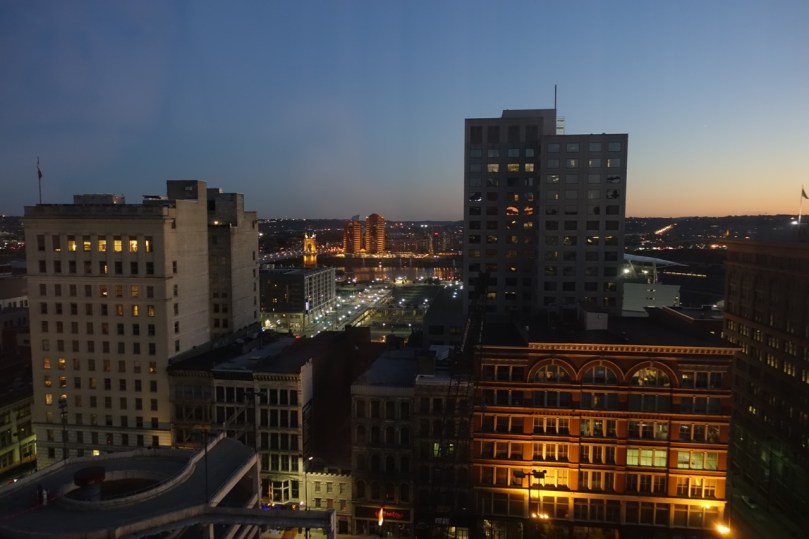
I did a 7AM 5K run (haha, I know) that wound up being more of a 4.9K sunrise stroll along the riverfront. As I walked from Ohio into Kentucky and back, I was totally blown away by how gorgeous downtown looked in the golden dawn light.

A week before the publishing time of this post, I was sneaking off on my own to find the bench swings that I walked past during my 4.9K walk. As you might know, I’m a sucker for a swing. Smale Riverfront Park is a super lovely spot and well worth a visit. I could’ve sat on that swing for hours and hours basking in the sunlight…

dsc02297
This is the actual view of the “Sing the Queen City” sign

dsc02306

dsc02304
Are you watchig Westworld by the way…?

Also of visual interest is the Contemporary Arts Center, which is hard to miss thanks to its colorful facade.

dsc02316dsc02320

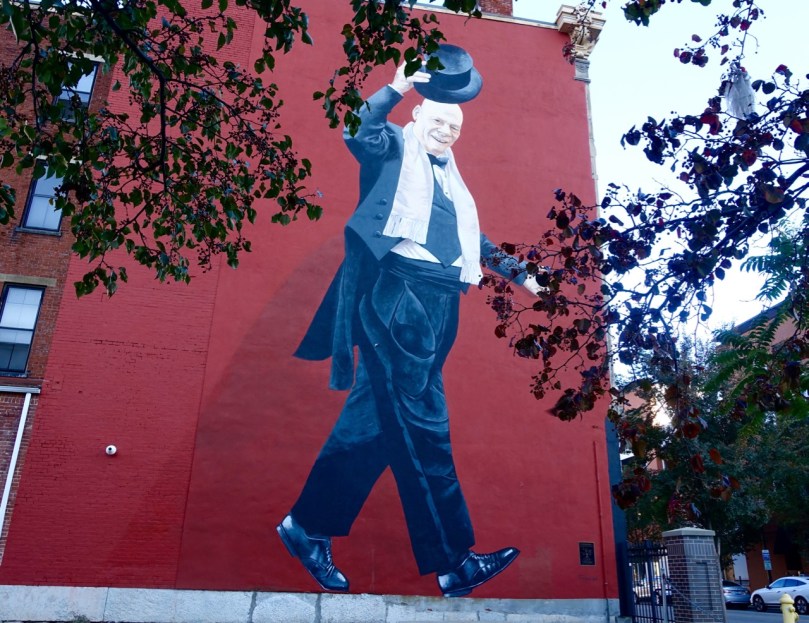
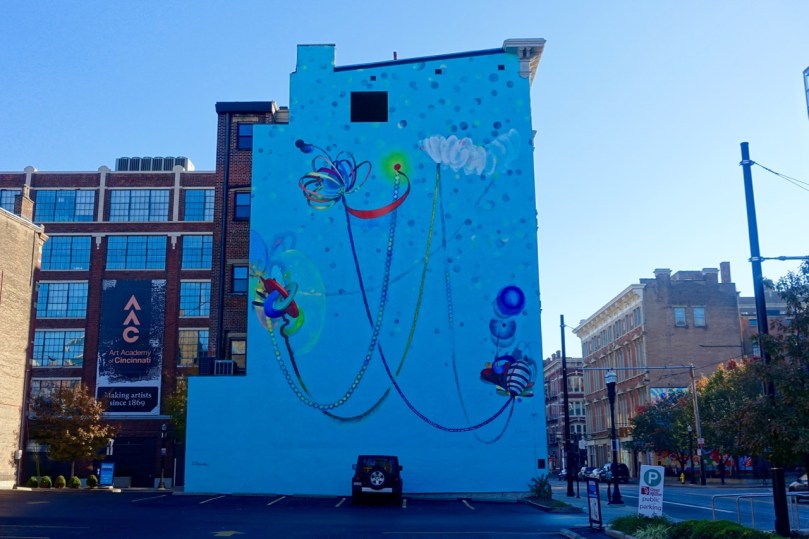
Cincinnati recently underwent a beautification project that, I have to say, really nailed it. A lot of buildings that previously looked really run-down have been transformed by some amazing murals.

dsc02353dsc02354dsc02360dsc02364

By the way, I ate a lot of good food while I was in Cincy.

However! The crazy chili — a more liquid consistency, a touch of cinnamon, just meat, and served over noodles! — was not my cup of tea. But at least I can say that I tried it!


My anniversary and Ben’s birthday were actually both over the weekend that I was in Cincinatti. I felt so guilty leaving Ben during this special weekend, but he really wanted me to attend this conference.

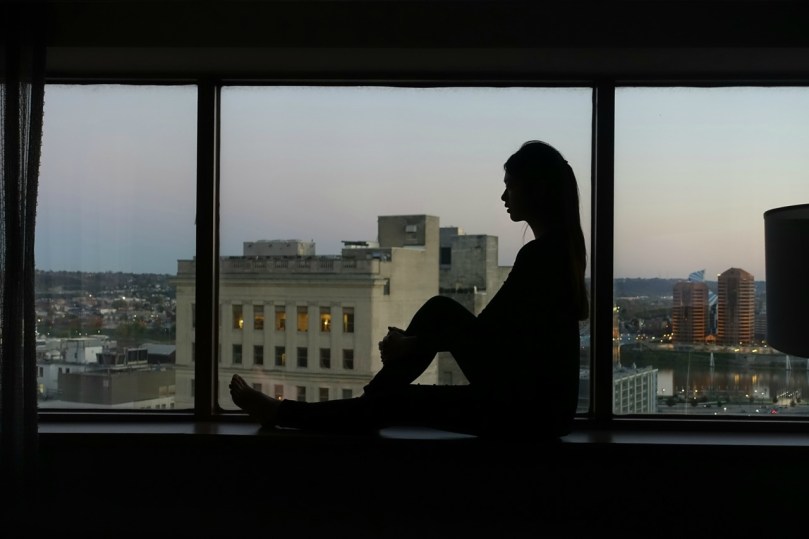
Bu what made me feel most guilty was just how much I wanted to share Cincinnati with him. I wish I had a day not at the conference that I could’ve spent walking around and exploring just a teeny bit more. Even just enjoying the view from my room could’ve used a few more hours. I guess I’ll have to come back with Ben in tow!

2016-11-1307-16-501dsc02340dsc02350

What conferences have you enjoyed attending?
What are some spots I should visit the next time I visit Cincinnati?
What are some weird regional foods that you’ve tried?
The chili was definitely out of my comfort zone. And can I confess something? I’ve never had Philly cheesesteak, despite having lived fairly close to Philly for most of my life! I’m not a cheese fan, so I’ve never felt so compelled.